Welcome! My name is Fallon, and I am a gifted and talented ELA teacher and instructional designer. I am a huge proponent of gamification in education. I try to make my materials as engaging and creative as possible. I believe that a good teacher is like an artist, passionately in love with their work. I hope my resources and tips can save you valuable time and effort!
Showing posts with label Novel Study. Show all posts

Wednesday, November 1, 2023

Engage Your Students with The Outsiders: Teaching Tips and Resources

Are you planning to teach S.E. Hinton's classic novel The Outsiders to your middle school students? The Outsiders remains a personal favorite of mine.  I remember reading it myself as an 8th-grader and have taught it yearly as a teacher. Many students still visit my classroom to talk about the lessons learned through the novel.  It's a fantastic choice that offers numerous opportunities for meaningful discussions, critical thinking, and character exploration. Let's dive into the history and a brief summary of this iconic novel and explore why it's an ideal text for middle school classrooms.

A Brief History of The Outsiders by S.E. Hinton
Published in 1967, The Outsiders is a timeless coming-of-age novel written by Susan Eloise Hinton when she was just 16 years old. Hinton, using her initials to obscure her gender, drew from her own experiences growing up in Tulsa, Oklahoma. The novel was an instant success and continues to resonate with readers of all ages.

Summary of The Outsiders
Set in the 1960s, the story revolves around Ponyboy Curtis, the youngest member of the Greasers, a working-class gang, and his tumultuous journey to find his place in a world divided by socioeconomic differences. After an encounter with the rival Socs (Socials) goes tragically wrong, Ponyboy and his friend Johnny are forced to go on the run. As they navigate the harsh realities of their world, the novel delves into themes of identity, family, loyalty, and the universal desire to belong.


Why Teach The Outsiders in Middle School?

Relatable Characters: Middle school students can easily relate to the characters in the novel. The struggles and emotions of Ponyboy, Johnny, and their friends resonate with the experiences and challenges that young adolescents face as they navigate their own paths to self-discovery.

Engaging Storyline: The Outsiders is a gripping and fast-paced narrative that will captivate your students' attention. Its short chapters and compelling plot make it accessible to middle school readers. Students will complain when it is time to pack-up to leave!

Themes for Discussion: The novel is rich with themes that are relevant to the middle school years, such as friendship, peer pressure, and the search for identity. These themes provide excellent opportunities for class discussions and personal reflection. My classes tend to focus on the dangers of a single story and the theme of being an outsider.

Empathy and Understanding: Middle school is a difficult time for most people. Teaching middle school for the past decade, I try to pull novels that help kids learn the importance of empathy for others. The novel encourages students to empathize with characters from different backgrounds, fostering a deeper understanding of the complexities of human relationships and the impact of socioeconomic factors.

Literary Exploration: The novel incorporates literary techniques, allowing you to introduce your students to concepts like symbolism, character development, and theme analysis.

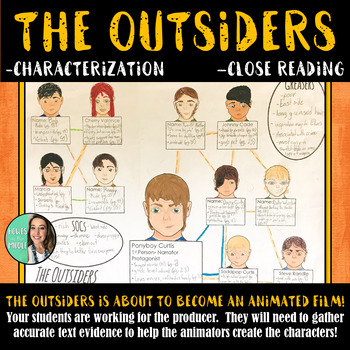
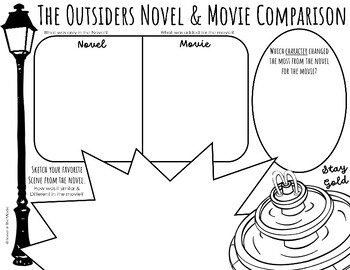
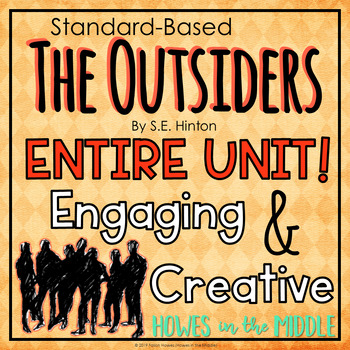
As a teacher who loves The Outsiders and has read it more than 45 times, here are some of the resources I have created over the years and use in my classroom:

A Creative Reading Response Journal
A reading response journal is an invaluable tool for helping your students interact with the text in a meaningful way. The journal I have created over the years of teaching the novel, has students engage with the text through creative and engaging activities, and the chapter questions guide students through the novel, prompting them to reflect on the characters, themes, and literary elements. This resource encourages critical thinking and fosters a deeper connection to the story, making it an excellent addition to your novel study.
 

A Grammar Focused Digital Escape Room
Host your very own “grammar rumble” students have so much fun dressing up for this day! Take your students on an adventure that combines fun and learning with our The Outsiders Digital Escape Room. This immersive experience will challenge your students to solve puzzles, find clues, and make connections to the novel's plot and characters. It's a great way to reinforce their comprehension of the story while keeping them engaged and motivated.



Engage Students with a Question Trail Lesson
I have a question trail lesson for The Outsiders. The lesson offers a unique and interactive approach to reviewing the novel. With this lesson, your students will follow a trail of questions, each leading to a deeper understanding of the text. This resource encourages analytical thinking, allowing your students to explore the novel from multiple angles. I like using the question trail to take a break from the typical review game.


Other Creative Connections:
Discussing the symbolism of a sunrise before reading chapter 5, can really help students understand the connection to Robert Frost’s poem “Nothing Gold Can Stay”.  I use the following warm-up the day we are going to begin reading chapter 5:

1. Consider what a sunrise could symbolize.

2. Draw your best sunrise/what you think of when you imagine one.

3. On the back lined side write out what you think a sunrise could symbolize in a story.  What could they represent?


Whether you're new to teaching The Outsiders or a seasoned pro, these resources will breathe new life into your lessons. Visit my Teachers Pay Teachers store to explore these resources and discover how they can benefit your classroom.

"Stay Gold" with these valuable teaching resources and make The Outsiders a memorable journey for your students!


Sunday, September 1, 2019

Maternity Leave Tips for Teachers

Preparing for maternity leave as a teacher is a daunting task.  It is difficult to leave your kids, classroom, and everything else with someone else.  I learned a lot from my first maternity leave and wanted to write everything down, so I won't have to struggle to remember for my second maternity leave.  (I am hoping I will eventually have a second child.) **Update!  I have had my second child and this advice is still sound!


Without further ado, here are my maternity leave tips and tricks for teachers!

1.  Finances - Saving is so Important!

The best thing you can do as an educator preparing to have a baby is to save up as much as you can.  

Short-Term Disability Coverage
For my first maternity leave, I just relied on having short-term disability coverage and it really didn't make a dent in my medical expenses.  If you haven't looked into your school district's short-term disability coverage, you may want to at least explore that avenue, but I ended up getting out less than I paid for the coverage over the course of the two years I paid into the program.  The company I used, required you to have coverage for at least a full year before they would pay out any benefit, so in my case, it just wasn't worth it. 

How Much Can I Expect to Spend?
This time around, I plan on saving up as much as I can with every paycheck.  I hope to put at least 100-150 a pay period into a special savings account for my maternity-related expenses.  With my first child, our out-of-pocket max was 4,500 dollars a person.  By the time we were out of the hospital (normal delivery with zero complications),  we both had hit our out-of-pocket max for the year.  Then I also had to figure out how to cover the time I took unpaid.  I wanted to be home with my baby as long as possible.

Luckily, I planned/timed it right and had a baby in late April.  I was able to take 6 weeks off at the end of one school year, enjoy summer vacation with my baby, and then take 6 weeks off at the beginning of another school year.  My son was almost 5-months-old when I went back to work!  How did I afford this?  It wasn't easy.

First, it is important to note that I rarely ever take off work and had four years' worth of sick and personal leave saved up. I used almost all of my days on my leave.  I saved a bank of 8-10 days in case my son was sick or an emergency turned up when I went back to work.   I have to take about 12-15 days unpaid to cover the difference in my leave. (I forget the exact amount I had to take unpaid because it has been two years since my first leave.) That ended up costing me over 4,000 dollars as we only work a 190-day contract.  Additionally, I had to pick up more of the medical costs typically covered by my school district for those days.  Luckily my school district was able to break that loss out over the entire school year of paychecks, and it was only a couple hundred a pay period, but it was definitely a huge hit on top of the medical bills coming in.  As you can see, it is EXTREMELY important to start saving for your maternity leave as soon as possible.  Kids are a huge undertaking and maternity leave is no different.  


2. Planning

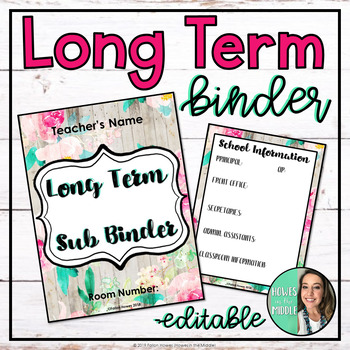
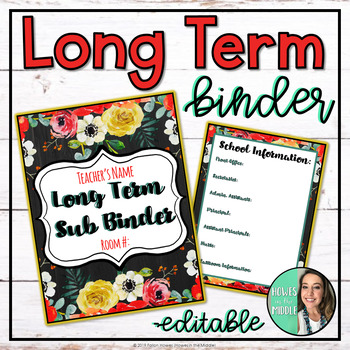
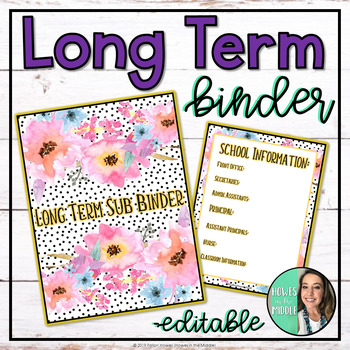
It is easy to begin stressing about what lesson plans to leave for an extended absence, but you shouldn't have to!  First, you need a great teaching binder to help your substitute understand and easily follow everyday procedures and your classroom setup.  I spent a long time creating my substitute binder for my super extended absence.  Save yourself hours of work and grab a copy of my binder.  I even left a lot of my wording in the binder, so you should only need to make minimal changes to the binder.

Long-Term Sub Binder - Maternity Leave - Extended Leave - Medical LeaveLong-Term Sub Binder - Maternity Leave - Medical Leave
Long-Term Sub Binder - Maternity Leave - Extended Leave - Multiple Covers

If you aren't an ELA teacher, you may want to skip this part of my post.  I really can only offer advice for ELA teachers as it is the only thing I have ever taught.  Guys, you need to leave a novel study and that is that.  Why a novel study?  

1.  It is a concrete plan.  Your substitute will have something secure to walk into.  I would have to be a long-term substitute and walk into super complex plans.  Walk into a 6ish week novel study?  Perfect!

2.  Novel studies can cover all of your ELA standards.  

3.  It's easy to have a wide range of graded assignments with a novel.

4.  Most people enjoy teaching novels.

5.  Students typically enjoy novel studies.

Need help gathering materials for your sub?  I have you covered with three different novel study options!

The Outsiders - S.E. Hinton - Novel Companion - Student WoThe Giver - Lois Lowry - Novel Companion - The Giver JournFlipped by Wendelin Van Draanen - Novel Study Companion -

3. General Advice


1. Diaper showers are extremely helpful.  If your family can help you throw one, it will help out to start with a stash of diapers.

2. Find a newborn photographer.  Newborns are beyond cute and change rapidly.  I recommend finding a professional to capture your newborn.

3. Don't check in to school more than needed and keep your baby out of your school building.  It isn't worth the risk of exposing your baby to all of the germs we know are at school.

4. Give yourself time to recover after having your baby.  See if you can line up relatives to help you around the house your first few weeks home.  This ended up being a lifesaver for me.

5.  Have something I missed?  Please share it in the comments below and I will add it to this resource.  

Good luck!